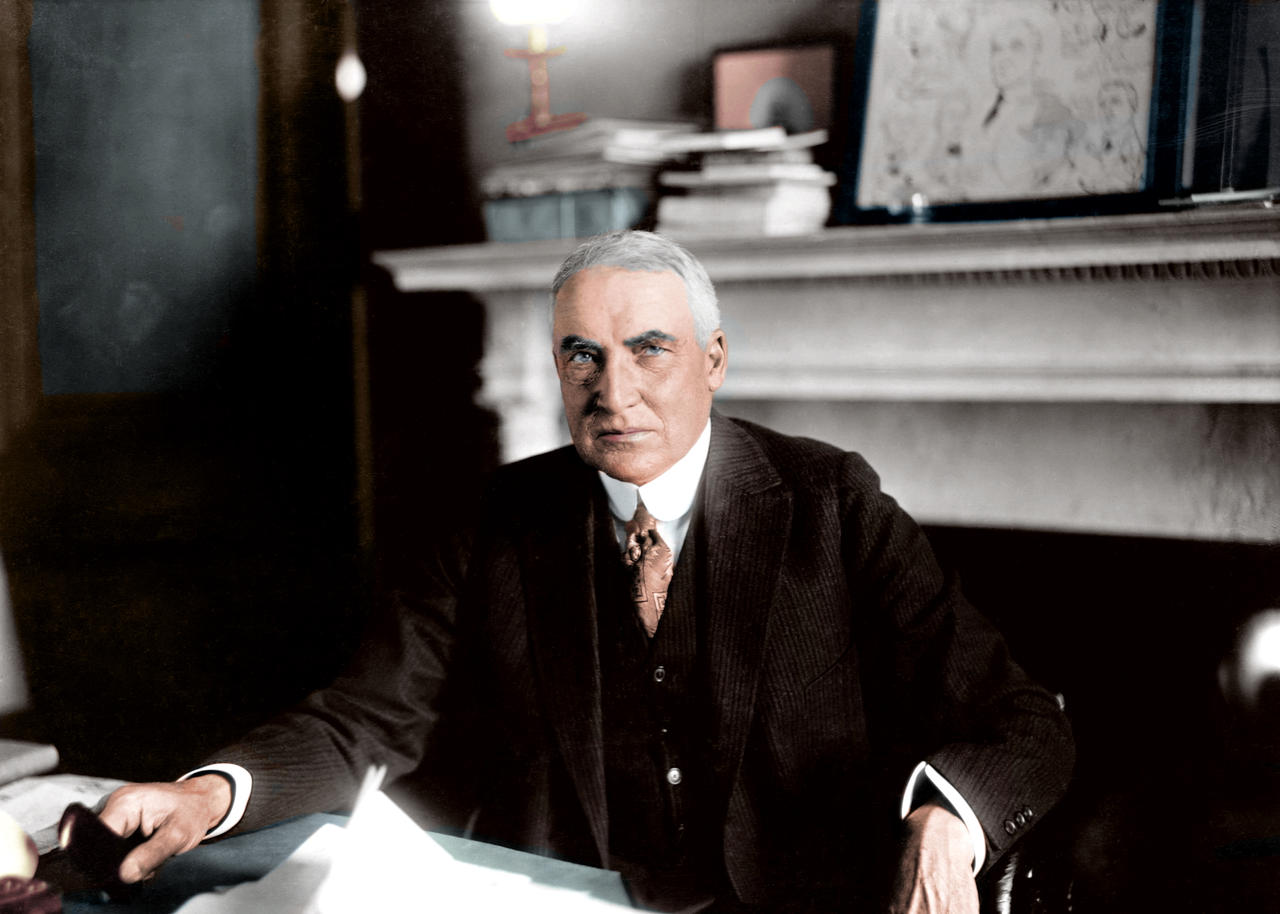
The reputation of Warren Harding’s administration has been tainted by scandals, three major ones which historians have used to paint it as the most corrupt in American history. Bill O’Reilly and Martin Dugard, in their book, Confronting the Presidents, get Harding wrong yet again.
The authors write that “Harding is complicit” in the corruption of his administration, “believing the job of president is largely ceremonial.” In other words, Harding took a very leisurely approach to his job, allowing underlings to manage things, while he had fun. This is utter garbage.
There were three major scandals in the Harding Administration: Veterans Bureau, the Justice Department, and Teapot Dome.
In the new Veterans Bureau, which Harding enacted soon after coming to office to deal with all the wounded warriors coming home from France, the director, Charles Forbes, appointed by Harding, was skimming profits from the construction and suppling of hospitals. A truly reprehensible crime, to be sure, but when Harding found out about it, he did not sweep it under the rug; he violently confronted Forbes.
As I wrote in Jazz Age President:
“In an incident documented by a New York Times reporter who just happened to be in the White House at the time, the president cornered Forbes in a rage-filled physical confrontation. ‘You double-crossing bastard!’ the president shouted, grabbing Forbes by the throat and shaking him ‘like a dog would a rat.’ Harding demanded and got Forbes’s resignation. But Harding would not live long enough to see Forbes prosecuted for fraud and bribery, convicted, and sent to federal prison for two years. The Veterans Bureau attorney, Charles F. Cramer, would commit suicide.”
In the Justice Department, led by a Harding chum, Harry Daugherty, there was the selling of government favors. Running the operation was Daugherty right-hand man, Jesse Smith. Daugherty rented a home in Washington on H Street while he served as Attorney General, and Harding was a sometime guest, but to keep the scandal away from the President, they rented another home, the “Little Green House on K Street.” Anti-Harding historians have treated these homes as one and the same. They were not.
Jazz Age President:
“Brian Farmer, who ripped Harding in American Conservatism, wrote that Harding was at the house on K Street, along with the ‘Ohio Gang,’ where they ‘drank mass quantities of bootleg liquor during Prohibition while they gambled, entertained women, sold government favors, and bribed Congressmen.’ This is pure fable. According to Agent Edmund Starling, Daugherty did, in fact, rent the house on H Street, and ‘the President and Mrs. Harding went there to dine with him several times. I mention this only to differentiate the H Street house from the ‘Little Green House on K Street,’ where the President never went,’ he wrote. ‘This latter establishment, so far as I know, was run by lobbyists, and was frequented by people of the same ilk.’”
When the scams were discovered, Harding confronted Smith, who went home, burned his papers, and shot himself. Daugherty was later tried but never convicted.
As for Teapot Dome, this scandal had to do with naval oil reserves in California and Wyoming. O’Reilly and Dugard accuse Harding of having the oil reserves transferred from the navy department to the interior department, under the eye of Albert Fall. But it was Fall who had to reserves transferred and then leased to two private oil men, for which he was paid $400,000. Harding found out about it while he was on his westward tour, the “Voyage of Understanding.” He planned to confront Fall when he got back to Washington, but he died while on the trip. Fall, though, was eventually convicted and went to prison, the first cabinet officer with such a distinction.
It is important to point out, as I wrote in Jazz Age President:
“Harding did not benefit from any scandal in his administration, and certainly not from Teapot Dome. The scandals were investigated thoroughly by the Senate, and a number of criminal trials were held. Harding’s name was never linked to any theft. As Senator James Watson wrote in his memoirs, Harding ‘was in no way responsible for any peculation or fraud that might have been perpetrated by Fall, and of course he had no previous knowledge of any such scheme.’”
President Harding appointed people to office that he thought he could trust. He never believed his friends would ever stab him in the back. But they did, and he was mortified by it. As he said to reporter William Allen White, “I have no trouble with my enemies. I can take care of my enemies all right. But my friends . . . they’re the ones who keep me walking the floor nights!”
Secret Service agent Edmund Starling agreed with Harding’s predicament. “The President had been betrayed. Harding was ruined by his friends, just as Wilson was ruined by his enemies.”
But it must be noted that Harding acted on the scandals when he found out about them, and those involved were punished. Compare that record with President Ulysses S. Grant, who had many more scandals in his administration, yet never punished anyone involved, often allowing them to resign without penalty.
To call Harding the most corrupt president, as well as one asleep at the wheel, is a grave injustice.
 Ryan S. Walters
Leave a comment